Mold Remediation for Landlords: A Practical Guide to Property Protection and Tenant Health
When you own rental property in Detroit, mold is not a matter of if but when. The combination of aging infrastructure, humid summers, and freeze-thaw cycles creates the perfect conditions for moisture problems. For landlords, mold is more than an eyesore. It is a liability that can lead to tenant complaints, health issues, and expensive structural damage if left unchecked.
I have spent years working with property owners who thought they could handle mold with a bottle of bleach and a rag. That approach almost always backfires. Surface cleaning might remove the visible stain, but the root cause often remains. The mold returns, sometimes worse than before. What starts as a small patch behind a toilet can spread through a wall cavity and into the HVAC system within weeks.
That is why professional mold remediation for landlords is not an optional expense. It is a core part of property management in a climate like ours. The key is understanding when to call in a specialist, what the process involves, and how to prevent recurrence. This article walks through the practical side of that process from the perspective of someone who has done the work.
Why Mold Is a Landlord Problem First
Tenants often assume mold is a sign of neglect, and sometimes they are right. But in many cases, the root cause is a hidden leak, a failing vapor barrier in the crawlspace, or condensation inside an uninsulated wall. Landlords carry the burden of fixing those underlying issues. If you ignore them, you risk not only property damage but also legal exposure.
OSHA sets clear standards for indoor air quality in the workplace, and while a single-family rental is not a workplace, the principles apply. EPA guidelines on moisture control and ASHRAE standards for ventilation provide a baseline for what is considered acceptable. If a tenant develops respiratory problems and a mold inspector finds levels that exceed those benchmarks, you could be looking at a lawsuit or a citation from local code enforcement.
I have seen landlords lose months of rent because a unit sat vacant during a remediation project that could have been avoided with routine maintenance. The cost of professional mold remediation for landlords is almost always lower than the cost of lost income and legal fees.
The Science of Mold Growth and Detection
Mold spores are everywhere. They float through the air and settle on surfaces. They only become a problem when they find moisture. A relative humidity above 60 percent, a slow plumbing leak, or condensation on cold pipes can trigger growth within 24 to 48 hours. That is why quick response matters.
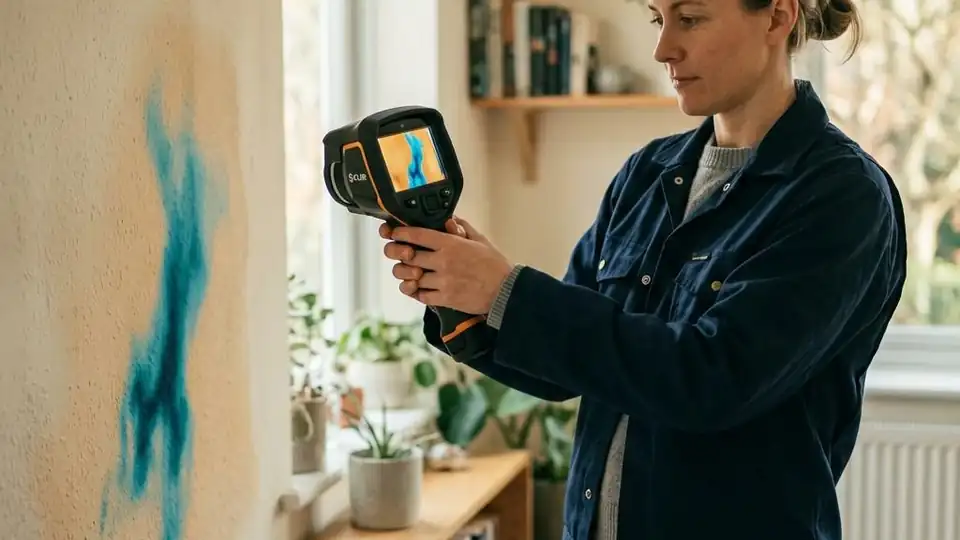
A moisture meter is one of the most useful tools a landlord can own. It measures the water content in drywall, wood, and concrete. If you suspect a leak but cannot see it, a moisture meter will tell you whether there is a problem behind the wall. I recommend using one before you call a contractor. It gives you objective data and helps you avoid unnecessary tear-out.
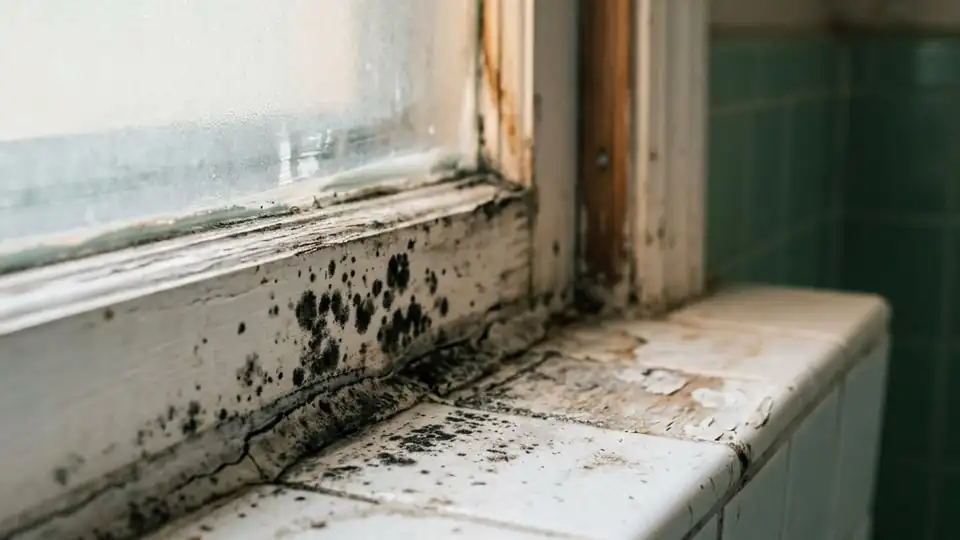
Visual inspection alone is not enough. What looks like a harmless water stain on a ceiling could be a colony of black mold growing inside the drywall. Black mold, often associated with Stachybotrys chartarum, produces mycotoxins that can cause chronic symptoms in sensitive individuals. Not every dark spot is Stachybotrys, but the risk is real enough that you should treat any discolored patch with suspicion.
The Remediation Process: What Landlords Should Expect
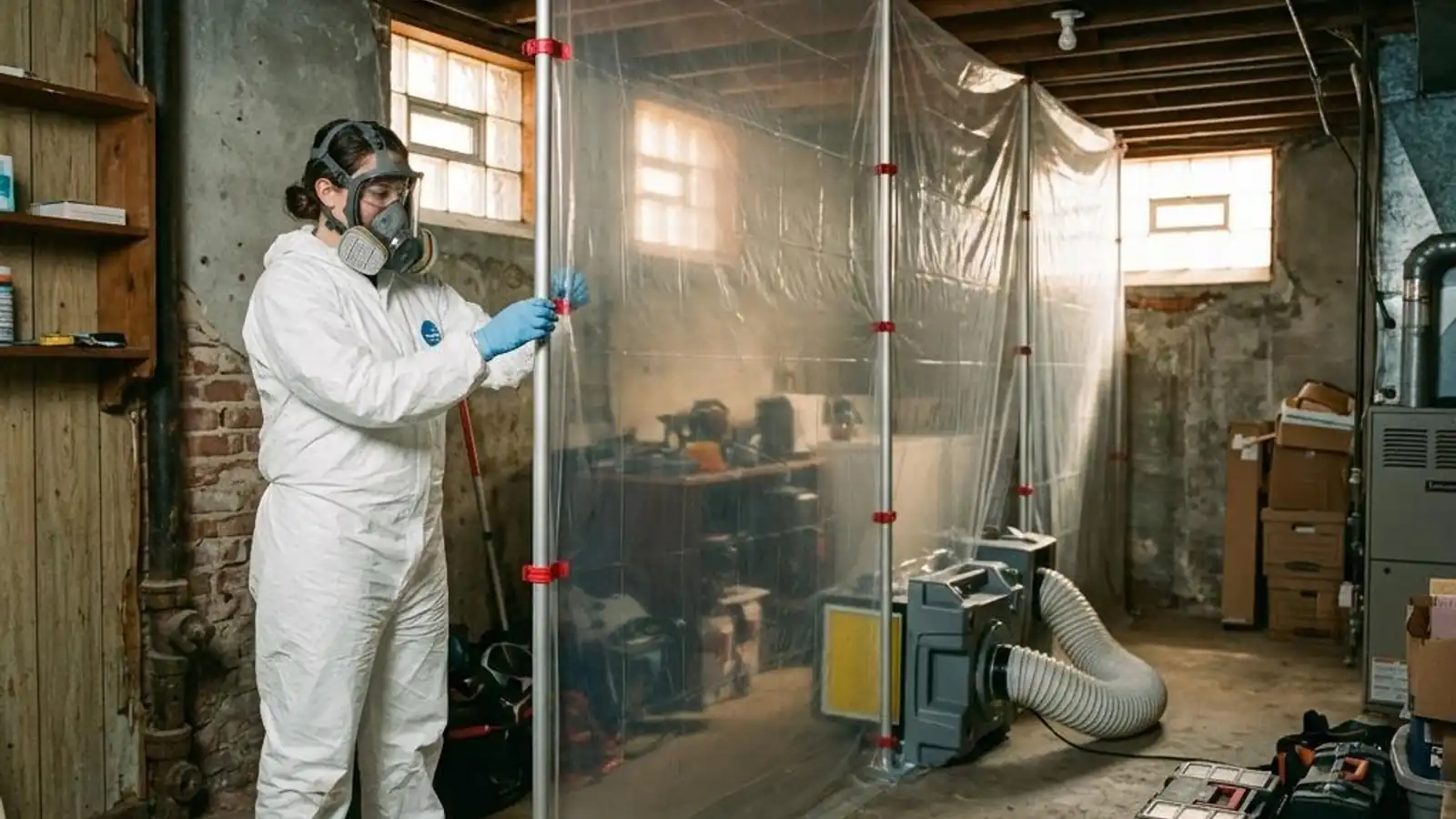
A proper mold remediation job follows a step-by-step protocol. It is not a cleaning service. It is a containment and removal process that protects both the occupants and the workers. Here is what a typical project looks like.
- Assessment and containment: The affected area is isolated with plastic sheeting. Negative air pressure is set up using an air scrubber equipped with a HEPA filter to prevent spores from spreading to other parts of the building.
- Removal of contaminated materials: Porous items like drywall, insulation, and carpet that cannot be salvaged are cut out and disposed of in sealed bags. Non-porous surfaces are cleaned with antimicrobial agents.
- Drying and verification: The area is dried completely. A final moisture reading and air sampling confirm that the environment is safe before the space is rebuilt.
Companies like PuroClean, Restoration 1, and Servpro are familiar names in this space. They follow IICRC standards and often hold a Mold Remediation Certification from the Restoration Industry Association. If you hire a contractor, ask whether their technicians carry that credential. It ensures they have been trained in proper containment and disposal procedures.
The entire process can take anywhere from a few days to a week, depending on the size of the infestation. During that time, the affected rooms may be uninhabitable. You should have a plan for relocating tenants if necessary.
Prevention: The Cheapest Remediation Is the One You Never Need
Once you have dealt with an active mold problem, the next step is preventing it from coming back. That means fixing the moisture source and improving the building's resistance to humidity.
Start with the building envelope. Check the vapor barrier in the crawlspace. If it is torn or missing, warm moist air from the crawlspace can migrate into the living space and condense inside walls. Installing a proper vapor barrier is one of the most cost-effective upgrades you can make.
Next, look at the HVAC system. A poorly maintained HVAC unit can circulate mold spores throughout the building. Change filters regularly and clean the drip pans. Consider upgrading to a system that meets ASHRAE ventilation standards for fresh air exchange. The EPA's Indoor airPLUS program offers guidelines for new construction and major renovations, but many of its principles apply to existing buildings as well.
Plumbing is another common source. A slow leak under a sink or behind a toilet can saturate a subfloor without anyone noticing. Install leak detection devices under sinks and near water heaters. The WaterSense program from the EPA certifies fixtures that use less water, but also look for models that have built-in leak prevention features.
Finally, educate your tenants. Provide them with a simple guide on how to spot early signs of moisture, such as peeling paint, musty odors, or condensation on windows. Encourage them to report leaks immediately. A tenant who waits a week to mention a dripping pipe can turn a minor repair into a major mold remediation project.
When to Call a Pro
Not every mold situation requires a full remediation crew. A small patch on a bathroom wall that dries quickly can often be handled with a proper cleaning protocol. But if the affected area is larger than about three square feet, or if the mold is growing inside a wall cavity, you should call a professional. That is where the value of a service like Detroit Mold becomes clear. They have the equipment, training, and experience to handle the job safely and thoroughly.
The National Association of Realtors has published guidance on mold disclosure requirements, and in many states, landlords are required to disclose known mold problems to prospective tenants. If you sell the property, you may also be required to disclose past remediation work. Keeping records of any mold remediation for landlords is a smart practice. Save the inspection reports, the contractor invoices, and the final clearance test results. That documentation can protect you in a dispute and increase the value of the property at sale.
Cost vs. Value: A Realistic Look
Mold remediation is not cheap. A small job might run a few hundred dollars. A large infestation that requires cutting out drywall and rebuilding rooms can cost several thousand. But compare that to the alternative. A single tenant who breaks a lease because of health concerns could cost you two months of rent. A lawsuit over mold-related illness could cost tens of thousands. Property damage from unchecked moisture can weaken structural elements and reduce the building's lifespan.
In my experience, the landlords who treat mold remediation as an ongoing maintenance line item rather than an emergency expense end up spending less over time. They schedule regular inspections, they respond to leaks immediately, and they budget for preventive upgrades. That approach turns a reactive headache into a manageable part of running a rental business.
If you are a landlord in Detroit, you already know the climate is not on your side. But with the right knowledge and a willingness to invest in prevention, you can keep your properties dry, your tenants healthy, and your liability low. Mold remediation for landlords is not a one-time fix. It is an ongoing practice that pays for itself in avoided problems.